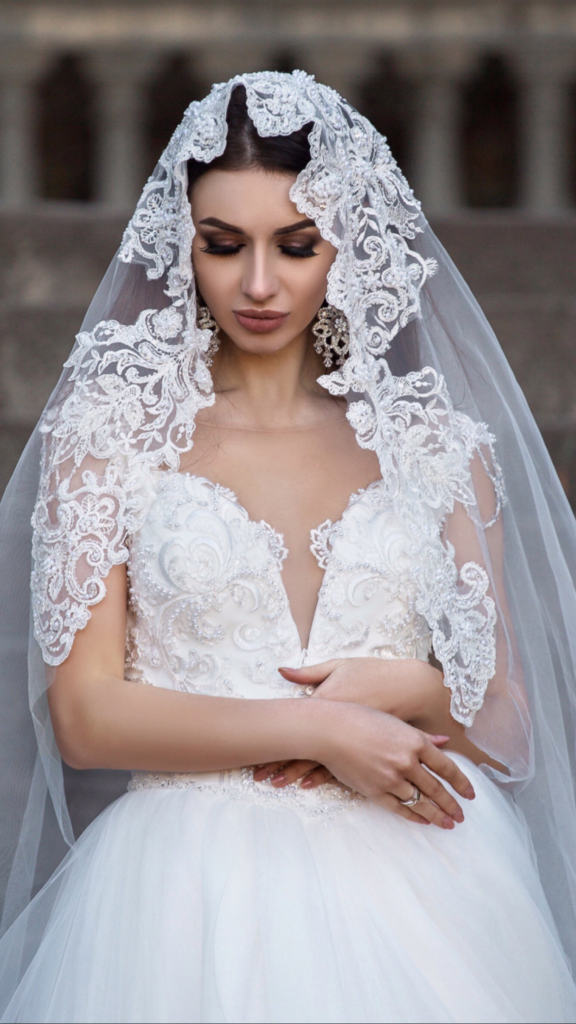
WEDDING DRESSES ORANGE COUNTY - WEDDINGDRESSESORANGECOUNTY - FIND WEDDING DRESSES IN ORANGE COUNTY, CA, BRIDAL GOWNS,Wedding Dress, Wedding Dresses, Cheap Wedding Dresses, Strapless Wedding Dresses, Plus Size Wedding Dresses, Beach Wedding Dresses, Wedding Dresses 2009, Wedding Dresses For Pregnant Women, Gothic Wedding Dresses, Plus Size Wedding Dress, Vintage Wedding Dresses, Simple Wedding Dresses, Black Wedding Dresses, Vera Wang Wedding Dresses, Modest Wedding Dresses

Content on this page requires a newer version of Adobe Flash Player.

Get Adobe Flash player

WEDDING DRESSES ORANGE COUNTY, SOUTHERN CALIFORNIA
BEAUTIFUL WEDDING DRESSES, DESIGNER WEDDING DRESSES
Wedding Dress, Wedding Dresses, Cheap Wedding Dresses, Strapless Wedding Dresses, Plus Size Wedding Dresses, Beach Wedding Dresses, Wedding Dresses 2009, Wedding Dresses For Pregnant Women, Gothic Wedding Dresses, Plus Size Wedding Dress, Vintage Wedding Dresses, Simple Wedding Dresses, Black Wedding Dresses, Vera Wang Wedding Dresses, Modest Wedding Dresses, Sexy Wedding Dresses, Black Wedding Dress, Discount Wedding Dresses, Black And White Wedding Dresses, Informal Wedding Dresses, Dresses To Wear To A Wedding, Beautiful Wedding Dresses, Red And White Wedding Dresses

"LARGEST SELECTION OF IN-STOCK WEDDING DRESSES IN OC!"

(949) 361-9500
Call Today!
Read Our Reviews:
YAHOO GOOGLE
Email: Begin@WeddingDresses
OrangeCounty.com
DESIGNER
WEDDING DRESSES
CHEAP
WEDDING DRESSES
PLUS SIZE
WEDDING DRESSES
STRAPLESS
WEDDING DRESSES
WEDDING DIRECTORY REVIEWS
DRESSES:  Wedding Dresses • Bridesmaids Dresses • Plus Size Wedding Dresses • Tuxidos • Shoes • Military Ball • Wedding Accesories
• Wedding Jewelry • Flower Girl Dress • Communion Dresses • Quinceaera Dresses • Sweet 16 Dresses
CONTACT US:

WEDDING
DRESSES

ORANGE COUNTY .com


WEDDINGDRESSES
ORANGECOUNTY.com

Paradise Creations

2007 S. Coast Highway
Laguna Beach, CA 92651

Phone: (949) 361-9500

EMAIL:
Begin@WEDDINGDRESSES
ORANGECOUNTY.COM


ARTICLES:
 
ACADEMIC:
 
 
Orange County
WEDDING
DIRECTORY:
 

About Us:

 
Wedding Dresses Orange County is a full-service bridal salon specializing in: bridal gowns, wedding dress, wedding dresses, bridesmaids dresses, formals, tuxedos, flower girl dresses, invitations, bridal, shoes, quinceaners and has one of the Largest Selection of Designer Gowns that you can try on.
 

Orange County Geography:

 
Aliso Viejo 92656, 92698
Anaheim 92801, 92802, 92803, 92804, 92805, 92806, 92807, 92808, 92809, 92812, 92814, 92815, 92816, 92817, 92825, 92850, 92899
Atwood, 92811
Brea, 92821, 92822,92823
Buena Park, 90620 ,90621,90622, 90624, Capistrano Beach, 92624
Corona del Mar, 92625
Costa Mesa, 92626, 92627, 92628
Cypress, 90630
Dana Point, 92629
East Irvine, 92650
El Toro, 92609
Foothill Ranch, 92610
Fountain Valley, 92708, 92728
Fullerton, 92831, 92832, 92833, 92834, 92835, 92836, 92837, 92838
Garden Grove, 92840, 92841, 92842, 92843 ,92844, 92845, 92846
Huntington Beach , 92605, 92615, 92646, 92647, 92648, 92649
Irvine, 92602, 92603, 92604, 92606, 92612, 92614, 92616, 92617, 92618, 92619, 92620, 92623, 92697
La Habra, 90631, 90632, 90633
La Palma, 90623
Ladera Ranch, 92694
Laguna Beach , 92651, 92652
Laguna Hills ,92653, 92654,92607,92677
Laguna Woods, 92637
Lake Forest, 92630
Los Alamitos, 90720, 90721
Midway City, 92655
Mission Viejo, 92690, 92691, 92692
Newport Beach , 92658, 92659, 92660, 92661, 92662, 92663, 92657
Orange, 92856, 92857, 92859, 92862, 92863, 92864, 92865, 92866, 92867, 92868, 92869, Placentia, 92870, 92871
Rancho Santa Margarita 92688
San Clemente, 92672, 92673, 92674
San Juan Capistrano, 92675, 92693
Santa Ana , 92701, 92702, 92703, 92704, 92705 ,92706, 92707, 92711, 92712, 92725.92735, 92799
Seal Beach , 90740
Silverado 92676
Stanton, 90680
Sunset Beach 90742
Surfside 90743
Trabuco Canyon, 92678, 92679
Tustin ,92780, 92781,92782
Villa Park, 92861
Westminster, 92683, 92684, 92685
Yorba Linda, 92885, 92886, 92887
Things We Do Really Well:
  1. Wedding Dress 
  2. Wedding Dresses
  3. Cheap Wedding Dresses
  4. Strapless Wedding Dresses
  5. Plus Size Wedding Dresses
  6. Beach Wedding Dresses
  7. Wedding Dresses 2009
  8. Wedding Dresses For Pregnant Women
  9. Gothic Wedding Dresses
  10. Plus Size Wedding Dress
  1. Vintage Wedding Dresses
  2. Simple Wedding Dresses
  3. Black Wedding Dresses
  4. Vera Wang Wedding Dresses
  5. Modest Wedding Dresses
  6. Sexy Wedding Dresses
  7. Black Wedding Dress
  8. Discount Wedding Dresses
  9. Black And White Wedding Dresses
  10. Informal Wedding Dresses


WEDDING DRESSES ORANGE COUNTY
ORANGE COUNTY'S Largest Selection of In-Stock Wedding Dresses
.
Exceptional Service Beautiful Wedding Dresses

Especially for you:

A bold elegant look,
A touch of dazzle.

"Designer wedding dresses and fantastic prices in Orange County California."
30% OFF
Select Designer Wedding Dress Gowns
Schedule your Free Visit today.
CONTACT US!
Emergency Dress Services
Immediate Response
Our seamstress we will perform repair, upgrade, or customize any beautiful wedding dress, brides maid dresses, mother of the bride dresses, flower girl dresses and much more
. Get your free estimate today. CONTACT US!
Low Price Guarantee
Best Deal In Town
WE GUARANTEE TO BEAT OR MATCH ANY WRITTEN ESTIMATE ON A NEW DRESS THAT IS LEGAL, PROVIDING FINDINGS AND GUARANTEES THAT ARE THE SAME.
Visit us a today and save big. CONTACT US TO FIND OUT MORE!
20% OFF WEDDING INVITATION ORDERS

Our Goal is to Meet and
Exceed Your Expectations

Wedding Dresses Orange County (Paradise Creations) is a full-service bridal salon specializing in: bridal gowns, wedding dress, wedding dresses, bridesmaids dresses, formals, tuxedos, flower girl dresses, invitations, bridal, shoes, quinceaners and has one of the Largest Selection of Designer Gowns that you can try on.

Feel right at home, call us Today for a wedding dress appointment at! (949) 361-9500
We are available to help you create a custom wedding design that matches your exquisite taste and elegance.

We are located right in the heart of Southern California in Beautiful Laguna Beach.

As a proven leader Here at Paradise Creations, we will go to incredible lengths to create and find exactly and what you are looking for! Voted best Wedding Service in Orange County California.

We carry stunning unique couture bridal gowns for our elegant brides at every style and price venue.

You can easily walk through our salon and see the most current designs from European collections as well as an impressive selection of North and South American designs.

Call us Today for Your Appointment! (949) 361-9500

Our Reviews & Testimonials:
ORANGE COUNTY'S Largest Selection of In-Stock Wedding Dresses
.

See What Our Customers Say...

SERVICE WAS AMAZING by Maria
My best friend and I went to Paradise Creations after being referred to this store by some friends at my work. I had to move my wedding date as the place we had reserved for my wedding had sold and we had to choose another facility. I explained the situation to Judy and she showed me some stunning gowns. My best friend and my mother felt their dresses and attentive service was amazing. Best of all they were able to get my designer gown in just a few weeks. In fact, I felt I had a very pleasant and friendly experience and would refer Paradise Creations to all my co-workers and friends. Thank you!!

BEAUTIFUL BRIDESMAIDS DRESSES by Kaley
"We are having our wedding at the Surf and Sand in Laguna Beach and went to Paradise Creations to see dresses for my wedding. I brought my 8 bridesmaids to see the couture designer gown I purchased at this store. Everyone loved my dress. While we were there we ended up getting everyone a dress including my mother and my two junior bridesmaids. Highly recommend Paradise Creations to all my friends and anyone looking for a beautiful gown."

WHAT A GEM OF A STORE by vancelinda13
"Paradise Creations was recommended by my best friend who had bought her dress from them 4 years ago. What a gem of a store, we could not believe all the beautiful gowns on display and how helpful they were. The owner pulled out a dress and it was the perfect look I was thinking of. Great service and friendly staff."

STUNNING BRIDAL GOWN by GirlyFurl
"I made a mistake and ordered my bridal gown online and when I received it was nothing like the picture. Three weeks before my wedding and I was running out of time. My mother in law told me about Paradise Creations in San Clemente and she had talked to the owner. I came to the store on Saturday and purchased a stunning bridal gown. I am so pleased!!"

Click Here to Read More Reviews!

Call us Today for Your Appointment! (949) 361-9500

Designer Wedding Dresses
ORANGE COUNTY'S Largest Selection of In-Stock Wedding Dresses
.

Designer Wedding Dresss - Exclusive Luxuries ...
WHY NOTHING ELSE WILL DO!

We will help you chose the perfect dress. We will take all the necessary measurements and work with you to make sure everything is perfect.

Anjolique
Badgley Mischka
Enzoani
Paloma Blanca
Jasmine Couture
Justin Alexander
Watters + Watters
Alvina Valente
Lazaro
Jim Hjelm
Tara Keely
Maggie Sottero Couture
Maggie Sottero Haute Couture
Casablanca
Demetrios Couture
The Princess Collection
Destination
Alfred Sung
Dessy
After Six
Ultra Sophisticates
US Angels
Raylia
Jasmine b2
Bari Jay
Bill Levkoff
Demetrios
Jordan
Essense of Australia


AND MUCH MORE ...

EVEN CUSTOM MADE WEDDING DRESSES!

Call us Today for Your Appointment! (949) 361-9500


Amsale

Judd Waddell

Romona Keveza

Vera Wang

Vineyard Collection
Cheap Wedding Dresses
ORANGE COUNTY'S Largest Selection of In-Stock Wedding Dresses
.

Cheap Wedding Dress, Discount Wedding Dresses ...
Wedding Dresses on a Budget!

We will help you chose the perfect dress. We will take all the necessary measurements and work with you to make sure everything is perfect.

Every woman dreams all throughout their childhood about how their wedding will go. Now is your chance to make your dreams come true. You can find the right wedding dress for you and save money when you purchase a dress from discount wedding dresses. After all, it's not all about how much you paid for the dress it's about how much you love the dress.

Discount Wedding Dresses
Discount wedding dresses are extravagant as well as sophisticated. Many can look almost identical to the pricy gowns. They can also be the 2009 model of the designer gown after the designer has released their 2010 design and the stores are discounting them.

When selecting your discount wedding dress you need to give yourself enough time to find the right one. There are so many to choose from that it will be hard to look through all of them and make your decision. Before you shop you will need to figure out which one you are the most interested in.

What design would you like the best? You can control the length of the dress, the neckline, what type of sleeve, and more. If you want a ballroom gown type look in a dress you may pay a little more for that then you would a dress that is only down to the ankles with a straight skirt.

Cheap Wedding Dresses
Let's face it - getting married can be an expensive proposition! But it doesn't have to be, for the savvy bride who knows where to shop. Many people frown at the word cheap' because the moment they hear the word, they tend to think inferior quality'. However, that is not the case.

Bride to be, as you plan your wedding on a tight budget there is already enough anxiety attached to getting the perfect gown at a price you can live with. When the internet came into being, it became easier to search for a cheap wedding dress that could fit your budget, along with style, elegance and taste.

Cheap Wedding Dresses and wedding gowns do not mean a compromise on quality!The wedding dress and gowns is very important as it is every one's dream to look like a princess.

At Wedding Dresses Orange County we have lots of discounted and cheap wedding dresses for you to choose from. If possible please phone us for an appointment so we can dedicate exclusive time to your wedding needs and serve you with excemplary vip service..

Call us Today for Your Appointment! (949) 361-9500

Plus Size Wedding Dresses
ORANGE COUNTY'S Largest Selection of In-Stock Wedding Dresses
.
Popularity of Plus Size Wedding Dresses! ...

Honestly with the more and more popularity, ladies are looking for plus size wedding dresses , most fashion designers are involved to create lots of fashionable ,gorgeous and fabulous plus size wedding dress. It is excited to know lots of superb plus size are available from Wedding Dresses Orange County.
Women differ not only in terms of weight and height, but also in terms of body type. Wedding Dresses Orange County can find the right dress for your body type and make you look stunning. We nicely tailored plus size wedding dress that enhances your beauty and is flattering to your body shape.

Wedding Dresses Orange County is a bridal shop
that specialize on plus size wedding dresses.

There are something worth your knowing . When shopping for the dress, it is important to remember that you can make subtle changes within the design of the plus wedding dress to accommodate details that are missing from the original designs.

Details like beading and rucching can be completed through our bridal shop and the seamstress that is taking care of the fitting is often able to accommodate these small changes. Remember that these come with an extra cost, but they are for the most pat available to improve the appearance of the dress.

Don't be a stickler for sizes because wedding dresses tend to run smaller than other dresses and items of clothing. It is important to realize that the wedding dress can feel as much as two sizes smaller than other pieces of clothing in the similar size and therefore many women feel the need to increase the sizes up to two sizes to ensure that they are able to get the perfect fit for their wedding.

Call us Today for Your Appointment! (949) 361-9500

Strapless Wedding Dresses
ORANGE COUNTY'S Largest Selection of In-Stock Wedding Dresses
.
Popular Strapless Wedding Dresses / Gowns!!

The strapless gown trend in bridal gowns is still going strong. With all of those strapless gowns in the bridal salons, there is a good chance that you yourself may find yourself wearing one down the aisle. Not every strapless wedding dress is the right choice for every woman, however.

The first thing to consider is the style of your wedding.Having a black tie event, and planning to wear a dazzling tiara with a full suite of crystal bridal jewelry? Then you will want your strapless gown to be opulent and dramatic. Fabrics with a sheen, such as silk satin, are ideal for a formal wedding, as are special details such as cathedral length trains and beadwork. If your wedding is to be less formal, there are plenty of strapless gowns that will still be great - simply opt for a slimmer silhouette and a matte fabric like chiffon.

Your figure plays a major part in picking the perfect gown. Every bride with every shape can wear strapless, as long as it is the right cut and properly fitted. Big bust? No problem. Small bust? Again, not a problem.

Just be sure that you select a gown which is made to order so that it can be customized to fit your proportions. At Wedding Dresses Orange County we help you find your beautiful dreamy strapless wedding gown. Our service it top and the knowledge about wedding dresses and weddings can be very helpful.

Call us Today for Your Appointment! (949) 361-9500

About Wedding Dresses
ORANGE COUNTY'S Largest Selection of In-Stock Wedding Dresses
.

ABOUT WEDDING DRESSES ...

A simple wedding dress seen at Thornbury Castle, England, in 2004

A wedding dress or wedding gown is the clothing worn by a bride during a wedding ceremony. Colour, style and ceremonial importance of the gown can depend on the religion and culture of the wedding participants.

Western culture

Weddings performed during and immediately following the Middle Ages were often more than just a union between two people. They could be a union between two families, two businesses or even two countries. Many weddings were more a matter of politics than love, particularly among the nobility and the higher social classes. Brides were therefore expected to dress in a manner that cast their families in the most favorable light, for they were not representing only themselves during the ceremony. Brides from wealthy families often wore rich colors and exclusive fabrics. It was common to see them wearing bold colors and layers of furs, velvet and silk.

The woman to the far right is wearing a typical wedding dress from 1929. Up until the late 1930s, wedding dresses reflected the styles of the day. From that time onward, wedding dresses have traditionally been based on Victorian styles.

Over the centuries, brides continued to dress in a manner befitting their social statusalways in the height of fashion, with the richest, boldest materials money could buy. The poorest of brides wore their best church dress on their wedding day. The amount of material a wedding dress contained also was a reflection of the bride's social standing and indicated the extent of the family's wealth to wedding guests. Today, there are wedding dresses available in all price ranges, and Western traditions have loosened up to include a rainbow of colors and variety of lengths, which are now considered acceptable. Women may purchase ready-made gowns, wear a family heirloom, or they may choose to have a dressmaker create one for her. In addition, today many bridal salons have samples of wedding gowns in their stores where the bride selects a certain style and orders one to be made to fit.

Wedding dresses have traditionally been based on the popular styles of the day. For example, in the 1920s, wedding dresses were typically short in the front with a longer train in the back and were worn with cloche-style wedding veils. This tendency to follow current fashions continued until the late 1940s, when it became popular to revert to long, full-skirted designs reminiscent of the Victorian era. Although there has always been a style that dominates the bridal market for a time, and then shifts with the changes in fashion, a growing number of modern brides are not choosing to follow these trends. This is due in large part to non-traditional and non-first-time weddings, and women who are marrying later in life.

Today, Western wedding dresses are usually white, though "wedding white" includes creamy shades such as eggshell, ecru and ivory. Philippa of England was actually the first documented princess in history to wear a white wedding gown during a royal wedding ceremony: she wore a tunic with a cloak in white silk bordered with grey squirrel and ermine).

White did not become a popular option until 1840, after the marriage of Queen Victoria to Albert of Saxe-Coburg. Victoria had worn a white gown for the event so as to incorporate some lace she owned. The official wedding portrait photograph was widely published, and many other brides opted for a similar dress in honor of the Queen's choice.

The tradition continues today in the form of a white wedding, though prior to the Victorian era, a bride was married in any color, black being especially popular in Scandinavia. Later, many people assumed that the color white was intended to symbolize virginity, though this had not been the original intention. (It was the color blue that was connected to purity.) The white gown is in fact a symbolic Christening gown. They are a variation of the white surplice worn in the Western Catholic tradition by members of the clergy, church choirs and servers and the gowns worn by girls making their first communion and at their confirmation and also by women making religious vows. Today, the white dress is normally understood merely as the most traditional and popular choice for weddings.

Eastern culture

Vietnamese wedding Ao dai

Many wedding dresses in China, India (wedding sari) and Vietnam (in the traditional form of the Ao dai) are colored red, the traditional color of good luck and auspiciousness. Nowadays, many women choose other colors besides red. In modern Chinese weddings, the bride may opt for Western dresses of any color, and later don traditional costume for the official tea ceremony.

South Indian weddings traditionally use red or gold-colored saris. Indian brides in Western countries often wear the sari at the wedding ceremony and change into traditional Indian wear afterwards (lehnga, choli, etc.).

In Japan, brides will often wear three or more dresses throughout the ceremony and subsequent celebrations with a traditional kimono, white and colour dress combination being popular. The Javanese people of Indonesia wear a kebaya, a traditional kind of blouse, along with batik.

In the Philippines, variations of the Baro't saya are considered to be wedding attire for women, along with the Barong Tagalog for men.

Native American culture

Apache bride

The indigenous peoples of the Americas have varying traditions related to weddings and thus wedding dresses. A Hopi bride traditionally would have her garments woven by the groom and any men in the village who wished to participate. The garments consisted of a large belt, two all-white wedding robes, a white wedding robe with red stripes at top and bottom, white buckskin leggings and moccasins, a string for tying the hair, and a reed mat in which to wrap the outfit. This outfit also would serve as a shroud, since these garments would be necessary for the trip through the underworld. A Pueblo bride wore a cotton garment tied above the right shoulder, secured with a belt around the waist. In the traditions of the Delaware, a bride would wear a knee-length skirt of deerskin and a band of wampum beads around her forehead. Except for fine beads or shell necklaces, the body would be bare from the waist up. If it were a winter wedding, she would wear deerskin leggings and moccasins and a robe of turkey feathers. Her face would be painted with white, red and yellow clay. The tribes of Northern California (which include the Klamath, the Modoc and the Yurok) had a traditional bridal dress woven in symbolic colors: white for the east, blue for the south, yellow (orange) for the west; and black for the north. Turquoise and silver jewelry were worn by both the bride and the groom in addition to a silver concho belt. Jewelry was considered a shield against evils including hunger, poverty and bad luck.

Gallery

About Weddings or A Wedding
ORANGE COUNTY'S Largest Selection of In-Stock Wedding Dresses
.
ABOUT A WEDDING:
Preparing for the photographs, at a wedding at Thornbury Castle, England
Wedding ceremony at Kiuruvesi Church in Kiuruvesi, Finland
"Wedding on a Tomorrow Street", painting by Yury Pimenov on a Soviet postage stamp.

A wedding is the ceremony in which two people are united in marriage or a similar institution. Wedding traditions and customs vary greatly between cultures, ethnic groups, religions, countries, and social classes. Most wedding ceremonies involve an exchange of wedding vows by the couple, presentation of a gift (offering, ring(s), symbolic item, flowers, money), and a public proclamation of marriage by an authority figure or leader. Special wedding garments are often worn, and the ceremony is followed by a wedding reception. Music, poetry, prayers or readings from Scripture or literature also may be incorporated into the ceremony.

Common elements across cultures

A number of cultures have adopted the traditional Western custom of the white wedding, in which a bride wears a white dress and veil. This tradition was popularized through the wedding of Queen Victoria. Some say Victoria's choice of a white gown may have simply been a sign of extravagance, but may have also been influenced by the values she held which emphasized sexual purity. Within the modern 'white wedding' tradition, a white dress and veil are unusual choices for a woman's second or subsequent wedding. The notion that a white gown might symbolize sexual purity has been long abandoned, and is criticized by etiquette writers like Judith Martin as distasteful.


The use of a wedding ring of some kind has long been part of religious weddings in Europe and Americas, but the origins of the tradition are unclear. Historians like Vicky Howard, point out that belief in the "ancient" quality of the practice are most likely a modern invention. "Double ring" ceremonies are also a modern practice, a groom's wedding band not appearing in the United States until the early 20th Century.


The wedding is often followed by a reception in which the rituals may include toasting the newlyweds, their first dance as spouses, and the cutting a wedding cake.

A Parsee wedding, 1905

Traditional wedding garb

Wedding music

Western weddings

Music played at Western weddings includes a processional song for walking down the aisle (ex: wedding march) and reception dance music includes:

  • "At Last" by Etta James is often chosen as the first song for the bride and groom to dance to.
Jewish weddings

At traditional Jewish weddings, a solemn, wordless tune is sung as the groom and then bride walk down the aisles.

Wedding customs around the world

African customs

Ethiopia

The Wedding procedure starts with the groom's side sending a representative who requests the marriage between the parties. Then an appointment is given and a verdict on the marriage is given. Before the wedding the Dowry is given as agreed. On the wedding day the groom and three or four "bestmen" ( ሚዜ) go to the wife's house. At the house the wife's family and friends ceremonially block the entrance to the house. The associates must sing strongly and force their way into the house. The first bestman holds perfume and sprays everywhere inside the house.

Nigeria

In Nigeria, in west Africa, a husband never uses his wife’s name. Only relatives and the women's own children are allowed to use the name her father gave her and it is only unmarried girls who may be called by name. So to learn a married woman’s name, one has to ask her husband the name of her father, and use that. When a couple are about to get married in this community people sing to inform that the bride is bound and is brought to the young man. Singing and dancing are two very important fragments in the Nigerian weddings and they are always combined with a big feast. The bride is kept in a special hut where she stays till he is let inside.

Pygmy wedding traditions

Pygmy engagements were not long and usually formalized by an exchange of visits between the families concerned. The groom to be would bring a gift of game or maybe a few arrows to his new in-laws, take his bride home to live in his band and with his new parents. His only obligation is to find among his relatives a girl willing to marry a brother or male cousin of his wife. If he feels he can feed more than one wife, he may have additional wives.

Arab wedding customs

Although Christian weddings in the Arab World bear similarities to Western weddings, Muslim weddings in the Arab countries are influenced by Muslim traditions. Muslim weddings start with a Sheikh and Al-kitaab (book) for the bride and groom. A wedding is not Islamically valid unless both bride and groom are willing, and the groom is often encouraged to visit her before the wedding (as advised in many aḥadīth of the Islamic prophet Muhammad). However, these visits must be chaperoned to ensure purity of action between the two. Men and women in wedding ceremonies and receptions are segregated, with areas for men and for women.

Bengali wedding customs

Bengali wedding refers to both Muslim and Hindu weddings in Bangladesh and West Bengal. Although Muslim and Hindu marriages have their distinctive religious rituals, there are many common cultural rituals in marriages across religion among Bengali people.

Chinese wedding customs

Traditional Chinese marriage is a ceremonial ritual within Chinese societies that involve a marriage established by pre-arrangement between families. Within Chinese culture, romantic love was allowed, and monogamy was the norm for most ordinary citizens. A band of musicians with gongs and flute-like instruments accompanies the bride parade to groom's home. Similar music is also played at the wedding banquet. Depending on the region that the bride hails from, Chinese weddings will have different traditions such as Tea Ceremony or the use of a wedding emcee. Also in modern times, Chinese couples will often go to photo studios to take "glamour shots" posing in multiple gowns and various backgrounds.

Cantonese wedding customs

Most Cantonese wedding rituals follow the main Chinese wedding traditions, although some rituals are particular to the Cantonese people. In a Cantonese wedding the bride price is based on the groom's economic status. The idea of "selling the daughter" or bride isn't a phrase that is used often therefore the price of the bride isn't too demanding. Most of the time the bride price is in the form of gold jewelry, fine fabric, or money, even a roast pig which symbolizes the bride to be a virgin. Wedding presents are given by the elderly couples or couples that are older than the newlyweds and tea is served by the younger family members.

European customs

British customs

A wedding carriage in Bristol, England

The Western custom of a bride wearing a white wedding dress, came to symbolize purity in the Victorian era, not virginity. Within the "white wedding" tradition, a white dress and veil is not considered appropriate in the second or subsequent wedding of a widow or divorcee. The specific conventions of Western weddings, largely from a Protestant and Catholic viewpoint, are discussed at "White wedding."

A wedding is often followed or accompanied by a wedding reception, which in some areas may be known as the 'Wedding Breakfast', at which an elaborate wedding cake is served. Western traditions include toasting the couple, the newlyweds having the first dance, and cutting the cake. A bride may throw her bouquet to the assembled group of all unmarried women in attendance, with folklore suggesting the person who catches it will be the next to wed. A fairly recent equivalent has the groom throwing the bride's garter to the assembled unmarried men; the man who catches it is supposedly the next to wed.

The Wedding Breakfast is one occasion where every member of the family, who has had at least some role in the wedding, is present. It is also important being the first time the newly married Bride and Groom share their first meal together as a lawfully wedded couple. The word Breakfast comes from a more ancient tradition of fasting before the wedding ceremony, the Wedding Breakfast is therefore 'breaking that fast'. The modern Wedding Breakfast includes the service of food to guests that can range from traditional roasts, buffets, or regional treats such as in the case of a London Wedding in the 'East End'.

A modern tradition is for brides to wear or carry "something old, something new, something borrowed, something blue" during the service. It is considered good luck to do so. Often the bride attempts to have one item that meets all of these qualifications, such as a borrowed blue handkerchief which is "new to her" but loaned by her grandmother (thus making it old). Another addition to this custom is to wear a coin in one's shoe to bring prosperity.

The full text of the verse is:

Something old, something new,
Something borrowed, something blue,
And silver sixpence in your shoe.

French customs

In smaller French towns, the groom may meet his fiancée at her home on the day of the wedding and escort her to the chapel where the ceremony is being held. As the couple proceeds to the chapel, children will stretch long white ribbons across the road which the bride will cut as she passes.

At the chapel, the bride and groom are seated on two red velvet chairs underneath a silk canopy called a carre. Laurel leaves may be scattered across their paths when they exit the chapel. Sometimes small coins are also tossed for the children to gather.

A traditional French wedding celebration at Château de Hattonchâtel

At the reception, the couple customarily uses a toasting cup called a Coupe de Mariage. The origin of giving this toast began in France, when a small piece of toast was literally dropped into the couple's wine to ensure a healthy life. The couple would lift their glass to "a toast", as is common in Western culture today.

Some couples choose to serve a croquembouche instead of a wedding cake. This dessert is a pyramid of crème-filled pastry puffs, drizzled with a caramel glaze.

At a more boisterous wedding, tradition involves continuing the celebration until very late at night. After the reception, those invited to the wedding will gather outside the newlyweds' window and bang pots and pans. They are then invited into the house for some more drinks in the couple's honor, after which the couple is finally allowed to be alone for their first night together as husband and wife. This practice spread throughout France as a way to celebrate special occasions. Decorative replicas of these special sabres can be purchased from artisans in Lyon, France (the French capital of cutlery).

If the couple is also having a religious ceremony, the civil ceremony acts as a private family wedding. The mayor of the town where the wedding is taking place usually performs the civil ceremony. Once the civil ceremony is complete, the couple will receive a livret de famille, a booklet where a copy of the marriage certificate is recorded. This is an official document and, should the couple have children, each child's birth certificate will be recorded in the livret de famille too. The civil marriage ceremony in France is free of charge.

Greek customs

Two or three days before the wedding, the couple organizes a celebration called Krevati (Greek for bed) in their new home. In Krevati, friends and relatives of the couple put money and young children on the couple's new bed for prosperity and fertility in their life. After the custom, they usually have a party with food and music.

On the day of the wedding, usually Saturday, but also Friday or Sunday, the groom cannot see the bride until the wedding ceremony. The groom usually arrives first in church and waits for bride, who usually arrives late. After they exchange flower bouquets, they have the wedding ceremony, where the best man puts the wedding rings and crowns on the couple. The couple drink red wine from the same glass (between one and three sips, depending on the tradition). This is not "communion" in the formal religious sense, but about sharing the cup of life. At the end of the wedding ceremony, as the newly wedded pair leave the church, the guests throw rice and flowers for fertility and felicity. Special guests, such as close friends and family receive sugar-coated almonds (traditionally an odd number, usually seven but sometimes five) as a gift from the couple. Most Greek ceremonies are Orthodox.

After the ceremony, usually the couple hold a great wedding party in some place with plenty of food, drinks, music and dance, usually until next morning. The wedding party starts with the invited people waiting for the couple, who usually come after some time. They start the party dancing blues and eating a piece of their wedding cake. In some point of the party, they also dance the traditional zeibekiko (groom) and çiftetelli (bride).

In many places of Greece, where they hold a more traditional wedding, they usually play only traditional music and eat local food. For example in the region of Cyclades, they eat the traditional pasteli (solid honey with sesame) and in the region of Crete they cook rice with goat. In most traditional weddings, they bake whole animals like pigs, goats or sheep just like the Greek Easter celebration. Before the church ceremony, especially in smaller areas, usually friends and relatives of the bride and the groom, accompanies them separately to the church playing traditional instruments, according to the region.

A typical Greek wedding will usually have more than 100 invited people (but usually 250-500) who are friends, siblings, grandparents, uncles, aunts, first or second cousins, neighbors and colleagues. It is common to have guests whom the couple has never met before. This is because the people who will be invited are usually determined by the parents of the couple and not by the couple themselves. Traditionally, the whole village would have attended the wedding, so very often the parents invite friends of theirs and their children, to the weddings of their own children.

There are many other traditions which are local to their regional areas. One famous tradition is the pinning of money on the bride's dress. This custom originated in one part of Greece, where it is a substitute for wedding presents, however it has become more widespread recently.

Italian customs

In some parts of Italy, a party, known as a Serenade, is thrown outside of the bride's home by the groom. His family and friends come and wait for the bride, entertaining themselves until she appears. The groom then sings to his bride to further seduce her. Once his song is sung, the party ends.

The day of the wedding, the groomsmen try their hardest to make the groom as uncomfortable as possible by saying things like "Maybe she forgot where the church is".

It is also traditional for the grooms family to give a dowry to the bride and to provide the engagement ring. The bride's family is then responsible for receiving the guests of the wedding in their home for a reception afterward.

The color green is very important in the Italian wedding. In Italy, the tradition of something blue is replaced with something green. This color brings good luck to the married couple. The veil and bridesmaids also were important in an Italian wedding. The tradition began in Ancient Rome when the veil was used to hide the bride from any spirits that would corrupt her and the bridesmaids were to wear similar outfits so that the evil spirits were further confused.

An old Roman custom was that brides threw nuts at rejected suitors as they left the ceremony.

After dessert, more dancing commences, gifts are given, and the guests eventually begin to leave. In Southern Italy, as the guests leave, they hand envelopes of money to the bride and groom, who return the gift with a wedding favor, a small token of appreciation.

Polish customs

In Polish weddings the celebrations may continue for two or three days. In the past, the engagement ceremony was organized by the future groom as a formal family gathering, during which he asked his chosen lady to marry him. In the recent years this custom has changed and today an engagement is much more personal and intimate. An elegant dinner party afterward is still a nice way to inform the closest family members about the couples' decision to get married.

In some regions of Poland the tradition to invite the wedding guests in person is still upheld. Many young couples, accompanied by the parents, visit their family and friends to hand them the wedding invitations personally.

According to the old tradition a groom arrives with his parents at the house of a bride just before the wedding ceremony. At that time both parents and parents-in-law give a young couple their blessing. The couple enter the church together and walks up to the altar followed by two witnesses and the parents. In Poland it is quite unusual for the bride to be walked down the aisle or to have bridesmaids and groomsmen in a wedding. The couple is assisted by two witnesses, a man (usually grooms' side) and a woman (usually brides' side) who are either family members or close friends.

The Polish bride traditionally wears a white dress and a veil. The groom, on the other hand usually wears a fitted suit with a bow tie and a boutonnière that matches the brides' bouquet. During the ceremony wedding rings are exchanged and both the husband and wife wear them on their right hand. Right after the ceremony the closest family and all the guest form a line in the front of the church to congratulate the newlyweds and wish them love and happiness. As soon as the married couple leave the church they get showered with rice for luck or guests drop coins at their feet for them to pick up. This is done to ensure a good and prosperous future for the newlyweds.

Once all the guests have showered the couple with kisses, hugs and flowers everyone heads to the reception. It is a custom in Poland to prepare "passing gates" on the way to the reception for the newlyweds who, in order to pass, have to give the "gate keepers" some vodka. This is a misinterpretation of an earlier tradition, where the "passing gates" were built if the bride was an orphan and money collected by "gate keepers" from the guests was handed over to the bride as her dowry (being an orphan usually implied poverty).

The married couple is welcomed at the reception place by the parents with bread and salt. The bread symbolizes the prosperity, salt stands for hardship of life, the parents wish the young couple that they never go hungry and learn how to deal with every day hardships together. The wedding party lasts (and the bride and groom remain) until the last guest leaves, usually until morning.

In Poland, movements like Human Liberties Crusade or Wedding of the Weddings promote non-alcoholic wedding celebrations.

Romanian customsi

Lăutari are musicians performing traditional songs. The music of the lăutari establishes the structure of the elaborate Romanian peasant weddings. The lăutari also function as guides through the wedding rituals and moderate any conflicts that may arise during what can be a long, alcohol-fueled party. Over a period of nearly 48 hours, this can be very physically strenuous.

Following custom almost certainly dating back at least to the Middle Ages, most lăutari spend the fees from these wedding ceremonies on extended banquets for their friends and families over the days immediately following the wedding.

Scottish customs

Scotland is a popular place for young English couples to get married since, in Scotland, parents' permission is not required if both the bride and groom are old enough to legally be married (16). In England it was the case that if either was 16 or 17 then the permission of parents had to be sought. Thus Scotland, and especially the blacksmith's at Gretna Green, became a very popular place for couples to elope to, especially those under 18 and usually living in England. Gretna Green now hosts hundreds of weddings a year and is Scotland's third most popular tourist attraction.

Customs:

  • The bride's family sends invitations on behalf of the couple to the wedding guests, addressed by hand. The couple may send the invitations themselves, especially if they are more middle-aged. The invites will specify if the invitation is for ceremony and/or reception and/or evening following the meal at the reception.
  • Guests send or deliver wedding gifts to the bride's family home before the wedding day. Alternatively, the couple may register at department store and have a list of gifts there. The shop then organizes delivery, usually to the bride's parents' house or to the reception venue.
  • A wedding ceremony takes place at a church, register office or possibly another favorite location, such as a hilltop. In this regard Scotland differs significantly from England where only pre-approved public locations may be used for the wedding ceremony. Most ceremonies take place mid afternoon and last about half an hour during which the marriage schedule is signed by the couple and two witnesses, usually the best man and chief bridesmaid.
  • The newly wed couple may leave the ceremony to the sound of bagpipes.
  • There is a wedding reception following the ceremony, usually at a different venue.
  • The bridal party lines up in a receiving line and the wedding guests file past, introducing themselves.
  • Usually a drink is served while the guests and bridal party mingle. In some cases the drink may be whisky or wine with a non alcoholic alternative.
  • The best man and bride's father toast the bride and groom with personal thoughts, stories, and well-wishes, usually humorous. The groom then follows with a response on behalf of his bride. Champagne is usually provided for the toast.
  • There is nearly always dancing following the meal. Often in Scotland this takes the form of a céilidh, a night of informal traditional Scottish dancing in couples and groups to live traditional music. The first dance is led by the bride and groom, followed by the rest of the bridal party and finally the guests.
  • The cake-cutting ceremony takes place; the bride and groom jointly hold a cake cutter and cut the first pieces of the wedding cake.
  • Gifts are not opened at the reception; they are either opened ahead of time and sometimes displayed at the reception, or if guests could not deliver gifts ahead of time, they are placed on a table at the reception for the bride and groom to take home with them and open later.
  • A sprig of white heather is usually worn as a buttonhole for good luck.
  • It is the norm for the groom and much of the male bridal party and guests to wear kilts, although suits are also worn. Kilts and Highland dress are often rented for this purpose

Handfasting

Handfasting is an ancient Celtic wedding ritual in which the bride's and groom's hands are tied together — hence the phrase "tying the knot". "Handfasting" is favored by practitioners of Celtic-based religions and spiritual traditions, such as Wicca and Druidism.

Filipino wedding customs

The groom usually wears the Barong Tagalog during the wedding, along with the male attendants, though nowadays the wealthy opt to don Western attire such as a tuxedo. Weddings held within the same year by two siblings, usually sisters, called Sukob are frowned upon as it is regarded as bad luck. Some hold it that the wedding rings dropping to the ground is a portent of bad luck (this is usually said to the ring bearer to ensure that the child is careful in handling the rings). Money, in the form of paper bills, is sometimes taped or pinned to the groom and bride's dress during their first dance.

Indian wedding customs

Indian weddings continue for several days. Due to the diversity of Indian culture, the wedding style, ceremony and rituals may vary greatly from amongst various states, regions, religions and castes. While the Christians of India usually follow a more or less Western wedding ceremony, the Indian Hindus, Muslims, Jains and Sikhs follow traditions quite different from the West. It is quite common that during the traditional wedding days, there would be a tilak ceremony (where the groom is anointed on his forehead), a ceremony for adorning the bride's hand and feet with henna (called mehendi) accompanied by Ladies' Sangeet (music and dance), and many other pre-wedding ceremonies. Another important ceremony is the "Haldi" program where the bride and the groom are anointed with turmeric paste. All the close relatives make sure that they have anointed the couple with turmeric.On the day (i.e. late evening) of the wedding proper, the Bridegroom, his friends and relatives come singing and dancing to the wedding site in a procession called baraat, and then the religious rituals take place to solemnize the wedding according to the religion of the couple. While the groom may wear traditional Sherwani or dhoti or Western suit, his face is usually veiled with a mini-curtain of flowers called sehra. The bride (Hindu or Muslim) always wears red clothes, never white because white symbolizes widowhood in Indian culture. In Southern and Eastern states the bride usually wears a red Sari, but in northern and central states the preferred garment is a decorated skirt-blouse and veil called lehenga. After the solemnization of marriage, the bride departs with her husband. This is a very sad event for the bride's relatives because traditionally she is supposed to permanently "break-off" her relations with her blood relatives to join her husband's family. The wedding may be followed by a "reception" by the groom's parents at the groom's place. While gifts and money to the couple are commonly given, the traditional dowry from the bride's parents to the couple is now officially forbidden by law.

Japanese wedding customs

Japanese wedding customs fall into two categories: traditional Shinto ceremonies, and modern Western-style ceremonies. In either case, the couple must first be legally married by filing for marriage at their local government office, and the official documentation must be produced in order for the ceremony to be held. Before ever getting married there are two types of mate selection that may occur with the couple: (1) miai, or an arranged marriage and (2) ren ai, or a love match. The Japanese bride-to-be may be painted pure white from head to toe, visibly declaring her maiden status to the gods. Two choices of headgear exist. One, the watabōshi, is a white hood; the other, called the tsunokakushi, serves to hide the bride's 'horns of jealousy.' It also symbolizes the bride's intention to become a gentle and obedient wife.

A traditional Japanese wedding ceremony

Traditional Japanese wedding customs (shinzen shiki) involve an elaborate ceremony held at a Shinto shrine. Japanese weddings are being increasingly extravagant with all the elaborate details placed into thought. However, in some cases, younger generations choose to abandon the formal ways by having a "no host party" for a wedding. In this situation, the guests include mainly of the couple's friends who pay an attendance fee.

Western-style ceremonies

In recent years, the "Western Style Wedding" (influenced by Christian weddings) has become the choice of most couples in Japan. An industry has sprung up, dedicated to providing couples with a ceremony modeled after church rituals. Japanese western style weddings are generally held in a chapel, either in a simple or elaborate ceremony, often at a dedicated wedding chapel within a hotel.

Before the ceremony, there is a rehearsal. Often during this rehearsal, the bride's mother lowers the veil for her daughter, signifying the last act that a mother can do for her daughter, before "giving her away". The father of the bride, much like in Western ceremonies, walks the bride down the aisle to her awaiting groom.

After the rehearsal comes the procession. The wedding celebrant will often wear a wedding cross, or cana, a cross with two interlocking wedding rings attached, which symbolize a couple's commitment to sharing a life together in the bonds of holy matrimony. The wedding celebrant gives a brief welcome and an introductory speech before announcing the bride's entrance. The procession ends with the groom bowing to the bride's father. The father bows in return.

The service then starts. The service is given either in Japanese, English or quite often, a mix of both. It follows Protestant ceremony, relaxed and not overtly religious. Typically part of 1 Corinthians 13 is read from the Bible. After the reading, there is a prayer and a short message, explaining the sanctity of the wedding vows (seiyaku). The bride and groom share their vows and exchange rings. The chapel register is signed and the new couple is announced. This is often followed by the traditional wedding kiss. The service can conclude with another hymn and a benediction.

Contemporary-style ceremonies

With the two types of ceremonies, Shinto and Western, available it was bound for the two to be combined into what is called a contemporary Japanese wedding. Contemporary Japanese weddings are celebrated in many ways. On the beginning of the wedding day, the participants are to get ready at the parlor's beauty shop. The responsibility of the beauty shop is to dress the bride, the groom, and the other participants in the formal Japanese attire. Dressing the bride is an important task because the bride is to change into several outfits throughout her wedding day. Due to the complexity of the design, dressing a bride can be difficult and time consuming and for this reason the bride must be the first person to arrive two hours prior to the wedding ceremony. The bride's attire consists of an extravagant kimono, heavy make-up, a wig, and a head covering. An hour prior to the wedding ceremony, the guests and the groom should start to arrive.

When everyone is dressed in their formal attire, the bride and the groom are to separate from each other and meet their close relatives in a waiting room. The relatives present will appear in the family photo and will also attend the religious ceremony. During this gathering, the kaizoe (assistant) will inform the participants of what will take place and what they should do during the day since they are not familiar with the ceremony.

When all is understood, the relatives and participants are brought to the photo studio where the professional photographs are to be taken. Taking the photographs of the bride, the groom, and their relatives is considered to be the central part of the wedding day. The photographs of the couple and their family are designed to represent the couple's prospective future together.

After the lengthy photo session, the bride, the groom, and others are brought to the Shinto shrine. Nowadays, the Shinto shrine may be conveniently located inside a hotel where all the activities will take place. A Shinto priest conducts the ceremony. In the ceremony, the bride and the groom are purified. However, the ceremony's important event occurs when the bride and the groom exchange nuptial cups of sake also known as san-san-ku-do. With the addition of Western tradition, the exchange of rings and weddings vows also take place. Those guests who did not attend the religious ceremony are able to view the ceremony on video screens located in the lobby.

Like Western-style traditions, a reception takes place right after the wedding ceremony. The guests of the reception include family members, friends, and colleagues. Due to the wedding industry's attempt to maximize time and space, the reception will last exactly two hours. The reception does not include any random activities, but follows a strict order of events. The reception includes dramatic entrances by the bride and the groom with special effects, speeches, and other performances.

Throughout the reception, the bride shall receive the guests' utmost attention because she changes two to three times for the dramatic entrances. With all the dramatic entrances, the groom will join the bride. For example, the first entrance includes the bride, the groom, and the nakodo couple. Nakodo means a "matchmaker" or a "go-between", which is usually referred to the husband. The nakodo couple plays such an important role that their names appear on the announcement of the wedding. The purpose of the nakodo is to symbolize a stable marriage. As the two couples appear a special effect of a cloud of white smoke will appear to surround them. Simultaneously, the hall lights are dimmed and the stage lighting will turn to the color of rose-pink; this astonishes the guests. Pictures are to be taken during the dramatic entrances of the bride and the groom. After the photographs have been taken, they will be led back to their table.

At this point the Master of Ceremonies will congratulate the newlyweds and their family. He/she will then introduce the nakodo, who will start the opening speeches and more speeches will follow. Being that the reception is highly structured the speakers will have the idea of being formal and concise in mind. With all the speeches finished, the bride and the groom will perform the Western-style traditions, which include the following: (1) the cake cutting ceremony and (2) the newlyweds' first dance as husband and wife.

The next part of the reception is the toast, or kanpai, which simplifies the mood of the reception where the guests can start to relax, eat, and drink. What follows the toast are the short congratulatory speeches made by relatives, friends, and colleagues. During this time, the bride has gone to change into her first costume and continues throughout the reception. However, the groom will also have a chance to change into his costume, which is the Western tuxedo. By the end of the night, both the bride and the groom have changed from their traditional Japanese attire to their Western-style attire.

After their last change of costumes, the newlyweds will perform the candle service. Both will have a long, unlit candle, which will be lit from the table where their parents are seated. Next, the couple will walk around the room in a circle and light the candles placed on their guests' table. Once all the candles are lit, the newlyweds will return to their table where they will light what is called the Memorial Candle.

By the time the candle service is done the two hours restriction will soon expire. The remaining few minutes includes short speeches, songs, dances, etc. As the reception ends a flower presentation ceremony will take place, which is where the newlyweds will present their parents with a gift of flowers to display appreciation for their parents raising them to the people they are today. At this point, the reception has ended with quick flashes and farewells.


Malay wedding customs

A Malay wedding ceremony spreads over two days, beginning with the akad nikah ceremony on the first day. The groom signs the marriage contract and agrees to provide the bride with a mas kahwin (dowry). After that, their hands are dyed with henna during the berinai besar ceremony. The bride's hair is also trimmed or her eyebrows shaped by a beautician known as the mak andam. One the second day, the bride is with her family and friends with musicians and bunga manggar or palm blossom carriers at the bride's house. At the house they are greeted with sprinkling of yellow rice and scented water.

North American customs

United States customs

Most weddings in the United States follow a similar pattern to the Italian wedding. Customs and traditions vary, but common components are listed below.

Before the wedding
  • The host sends invitations to the wedding guests, usually one to two months before the wedding. Invitations may most formally be addressed by hand to show the importance and personal meaning of the occasion. Large numbers of invitations may be mechanically reproduced. As engraving was the highest quality printing technology available in the past, this has become associated with wedding invitation tradition. Receiving an invitation does not impose any obligation on the invitee other than promptly accepting or declining the invitation, and offering congratulations to the couple.
  • While giving any gift to the newlywed couple is technically optional, nearly all invited guests who attend the wedding choose to do so. Wedding gifts are most commonly sent to the bride's or host's home before the wedding day. Gifts are typically not brought to ceremonies or receptions, and any that are will not be opened, but rather placed aside for later delivery to the newlyweds' home.
  • A color scheme is selected by some to match everything from bridesmaids' dresses, flowers, invitations, and decorations, though there is no necessity in doing so.

At the wedding
  • A wedding ceremony may take place anywhere, but often a church, courthouse, or outdoor venue. The ceremony is usually brief, and may be dictated by the couple's religious practices. The most common non-religious form is derived from a simple Anglican ceremony in the Book of Common Prayer, and can be performed in less than ten minutes, although it is often extended by inserting music or speeches. Because of its brevity, guests who arrive late may miss the ceremony entirely.
  • The bride usually wears a white, off-white, silver, or other very light-colored dress, particularly at her first marriage. Brides may choose any color, although black is strongly discouraged by some as it is the color of mourning in the west.
  • Uncooked rice is sometimes thrown at the newlyweds as they leave the ceremony to symbolize fertility. Some individuals, churches or communities choose birdseed due to a false but widely believed myth that birds eating the rice will burst. Because of the mess that rice and birdseed make, modern couples often leave in clouds of bubbles.
  • The wedding party may form a receiving line at this point, or later at a wedding reception, so that each guest may briefly greet the entire wedding party.

At the wedding reception
  • Drinks, snacks, or perhaps a full meal, especially at long receptions are served while the guests and wedding party mingle.
  • Often the best man and/or maid of honor toast the newlyweds with personal thoughts, stories, and well-wishes; sometimes other guests follow with their own toasts. Champagne is usually provided for this purpose.
  • In a symbolic cutting of the wedding cake, the couple may jointly hold a cake knife and cut the first pieces of the wedding cake, which they feed to each other. In some sub-cultures, they may deliberately smear cake on each other's faces, which is considered vulgar elsewhere.
  • If dancing is offered, the newlyweds first dance together briefly. Often a further protocol is followed, wherein each dances next with a parent, and then possibly with other members of the wedding party. Special songs are chosen by the couple, particularly for a mother/son dance and a father/daughter dance. In some subcultures, a dollar dance takes place in which guests are expected to dance with the one of the newlyweds, and give them a small amount of cash. This practice, as is any suggestion that the guests owe money to the couple, is considered rude in most social groups as it is contrary to basic western etiquette.
  • In the mid-twentieth century it became common for a bride to toss her bouquet over her shoulder to the assembled unmarried women during the reception. The woman who catches it, superstition has it, will be the next to marry. In a similar process, her groom tosses the bride's garter to the unmarried men, followed by the man who caught the garter placing it on the leg of the woman who caught the bouquet. While still common in many circles, these practices (particularly the latter) are falling into less favor in the 21st century.

Wedding gifts

The purpose of inviting guests is to have them witness a couple's marriage ceremony and vows and to share in their joy and celebration. Gifts for the wedding couple are optional, although most guests attempt to give at least a token gift of their best wishes. Some couples and families feel, contrary to proper etiquette, that in return for the expense they put into entertaining and feeding their guests, the guests should pay them with similarly expensive gifts or cash.

The couple often registers for gifts at a store well in advance of their wedding. This allows them to create a list of household items, usually including china, silverware and crystalware, linens or other fabrics, pots and pans, etc. Registries are intended to aid guests in selecting gifts the newlyweds truly want, and the service is sufficiently profitable that most retailers, from luxury shops to discount stores, offer the opportunity. Registry information should, according to etiquette, be provided only to guests upon direct request, and never included in the invitation. Some couples additionally or instead register with services that enable money gifts intended to fund items such as a honeymoon, home purchase or college fund. Some find bridal registries inappropriate as they contravene traditional notions behind gifts, such as that all gifts are optional and delightful surprises personally chosen by the giver, and that registries lead to a type of price-based competition, as the couple knows the cost of each gift. Traditionally, weddings were considered a personal event and inviting people to the wedding who are not known to at least one member of the couple well enough to be able to choose an appropriate gift was considered inappropriate, and registries should therefore be unnecessary. Whether considered appropriate or not, others believe that weddings are opportunities to extract funds or specific gifts from as many people as possible, and that even an invitation carries an expectation of monetary reward rather than merely congratulations.

Letters of thanks for any gift are traditionally sent promptly after the gift's receipt. Tradition allows wedding gifts to be sent up to a year after the wedding date. Thanks should be sent as soon as possible, preferably within two weeks.

African-American customs

Jumping the broom developed out West African Asante custom. The broom in Ashanti and other Akan cultures also held spiritual value and symbolized sweeping away past wrongs or warding off evil spirits. Brooms were waved over the heads of marrying couples to ward off spirits. The couple would often but not always jump over the broom at the end of the ceremony.

The custom took on additional significance in the context of slavery in the United States. Slaves had no right to legal marriage; slaveholders considered slaves property and feared that legal marriage and family bonds had the potential to lead to organization and revolt. Marriage rituals, however, were important events to the Africans, who came in many cases come from richly ceremonial African cultures.

Taking marriage vows in the presence of a witness and then leaping over the handle of a broom became the common practice to create a recognized union. Brooms are also symbols of the hearth, the center of the new family being created. Jumping the broom has become a practice in many modern weddings between African Americans.

There are also traditions of broom jumping in Europe, in the Wicca and Celtic communities especially. They are probably unconnected with the African practice.

Pakistani wedding customs

A Pakistani wedding typically consist of four ceremonies on four separate days. It may consist of 3 days if the first function called "Mehndi" is done in a combined manner by both the bride and groom's family.

The first function is Mehndi in which the families get together and celebrate the upcoming wedding function. On this day, it is customary to wear either green, yellow, orange, or other vibrant colors. The bride-to-be gets her hands painted with henna, and songs and dances go on throughout the night. The next day is "baraat" which is hosted by the bride's family. This event is usually held in a reception hall, and the groom comes over with his family and friends; a large feast is given. The bride's friends and relatives are also present, and the Baraat event can be considered the 'main' wedding event as it is the largest one out of all the events. Then there is the holy ceremony of "Nikah" which is performed by a religious imam, after which bride and groom are declared as husband and wife.

Next day there is a function of "Walima" in which the groom's family is the host and the bride's family come over for a big feast. On her wedding day, the bride-to-be can wear any color she wants, but vibrant colors and lots of traditional gold jewelry are typically worn. It is customary for the bride to wear traditional clothes such as a lahnga, shalwar kameez, or sari. These weddings are also typical of the Muslim community in India.

Iranian wedding

Persian wedding tradition, despite its local and regional variations, like many other rituals in Persia goes back to the ancient Zoroastrian tradition. Though the concepts and theory of the marriage have changed drastically by Islamic traditions, the actual ceremonies have remained more or less the same as they were originally in the ancient Zoroastrian culture.

Russian wedding customs

A traditional Russian wedding lasts for at least two days and some weddings last as long as a week. Throughout the celebration there is dancing, singing, long toasts, and food and drinks. The best man and maid of honor are called witnesses, "svideteli" in Russian. The ceremony and the ring exchange takes place on the first day of the wedding.

Throughout the years, Russian weddings have adopted many western customs, including bridesmaids and flower girls. During the wedding feast any of the guests can start chanting "Gor'ko" ("bitter") which usually is immediately supported by the rest of the guests. In this case bride and groom should kiss each other and the kiss should last for as long as the chanting continues.

Religious aspects of weddings

Most religions recognize a life-long union with established ceremonies and rituals. Some religions permit polygamous marriages or same-sex marriages.

Many Christian faiths emphasize the raising of children as a priority in a marriage. In Judaism, marriage is so important that remaining unmarried is deemed unnatural.[citation needed] Islam also recommends marriage highly; among other things, it helps in the pursuit of spiritual perfection.[citation needed] The Bahá'í Faith sees marriage as a foundation of the structure of society, and considers it both a physical and spiritual bond that endures into the afterlife. Hinduism sees marriage as a sacred duty that entails both religious and social obligations.[citation needed] By contrast, Buddhism does not encourage or discourage marriage, although it does teach how one might live a happily married life and emphasizes that marital vows are not to be taken lightly[citation needed] (see separate article for details).

Different religions have different beliefs as regards the breakup of marriage (see divorce). For example, the Roman Catholic Church believes that marriage is a sacrament and a valid marriage between two baptized persons cannot be broken by any other means than death. This means that civil divorcés cannot remarry in a Catholic marriage while their spouse is alive. In the area of nullity, religions and the state often apply different rules. A couple, for example, may begin the process to have their marriage annulled by the Catholic Church only after they are no longer married in the eyes of the civil authority.

Customs associated with various religions

Christian customs

Most Christian churches give some form of blessing to a marriage; the wedding ceremony typically includes some sort of pledge by the community to support the couple's relationship. A church wedding is a ceremony presided over by a Christian priest or pastor. Ceremonies are based on reference to God, and are frequently embodied into other church ceremonies such as Mass.

Customs may vary widely between denominations. In the Roman Catholic Church "Holy Matrimony" is considered to be one of the seven sacraments, in this case one that the spouses bestow upon each other in front of a priest and members of the community as witnesses. As all sacraments, it is seen as having been instituted by Jesus himself (see Gospel of Matthew 19:1-2, Catechism of the Catholic Church §1614-1615). In the Eastern Orthodox church, it is one of the Mysteries, and is seen as an ordination and a martyrdom.

Mar Thoma customs

Kerala is the homeland of Syrian Malabar Nasrani (Mar Thoma Christians or St. Thomas Christians). It is believed that they were converted by Thomas the Apostle, the disciple of Jesus, in the 1st century. Their wedding customs and traditions include several Jewish elements and Indian customs. The ceremony is divided into two parts. In part I, the officiating minister receives the wedding ring from the groom, blesses it and puts it on the ring finger on the right hand of the bride. This is a very old custom that is still followed. In Part II, the bride and groom join hands, and a Bible portion is read. Then they are crowned as the head of a new family. The first gift to his wife is a necklace with a golden pendant called Minnu. The groom ties it around the neck of the bride. She is also given a saree known as Manthrakodi.

After the ceremony at the church there is the reception that will be followed by a ceremony called kachakoduppu. In the presence of immediate relatives only, at the house of the groom, the groom gives a kacha (saree) to his mother-in-law. From that time they address one another as mother and son.

Quaker customs

A Quaker wedding ceremony in a Friends meeting is similar to any other meeting for worship, and therefore often very different from the experience expected by non-Friends.

Hindu customs

Hindu ceremonies are conducted totally or at least partially in Sanskrit, the language of the Hindu scriptures. The wedding celebrations may last for several days (see the previous sub-section on Indian customs) and they can be extremely diverse, depending upon the region, denomination and caste. On the night of wedding proper, the bride and the bridegroom garland each other (jaymaala) in front of the guests. Most guests witness only this short ceremony and then socialize, have dinner and leave. The religious part comes hours later, witnessed by close friends and relatives. A Brahmin (Hindu priest) arranges a sacred yajna (fire-sacrifice), and the sacred fire (Agni) is considered the prime witness (sākshī) of the marriage. He chants mantras from the Vedas and subsidiary texts while the couple are seated before the fire. The most important step is saptapadi or saat phere, wherein the bride and the groom, hand-in-hand, encircle the sacred fire seven times, each circle representing a matrimonial vow. The Hindu Marriage Act 1955 of India considers this step to be necessary and sufficient for the Hindu wedding to be complete. Then the groom marks the bride's forehead with vermilion (sindoor) and puts a gold necklace (mangalsutra) around her neck. Several other rituals may precede or follow these afore-mentioned rites. Then the bride formally departs from her blood-relatives to join the groom's family.

Jewish customs

A traditional Jewish wedding usually follows this format:

  • Before the ceremony, the couple formalize a written ketubah (marriage contract), specifying their obligations to each other and contingencies in case of divorce. The ketubah is signed by two witnesses and later read under the chuppah.
  • The couple is married under a wedding canopy (chuppah), signifying their new home together. The chuppah can be made from a piece of cloth or other material attached to four poles, or a prayer shawl (tallit) held over the couple by four family members or friends.
  • The couple is accompanied to the chuppah by both sets of parents, and stands under the chuppah along with other family members if desired.
  • Seven blessings are recited, blessing the bride and groom and their new home.
  • The couple sip from a glass of wine.
  • At some weddings the couple may declare that each is sanctified to the other, and/or repeat other vows, and exchange rings.
    • In Orthodox and traditional Jewish weddings, the bride does not speak under the chuppah and only she receives a ring. The groom recites "Harei at mekudeshet li k'dat Moshe V'Yisrael"- "behold you are [thus] sanctified to me by the law of Moses and Israel" as he places the ring on the bride's right index finger. The bride's silence and acceptance of the ring signify her agreement to the marriage. This part of the ceremony is called kiddushin. The groom's giving an object of value to the bride is necessary for the wedding to be valid.
    • In more egalitarian weddings, the bride responds verbally, often giving the groom a ring in return. A common response is "ani l'dodi, v'dodi li" (I am my beloved's, my beloved is mine)
  • In Orthodox weddings, the groom then says:
"If I forget you, O Jerusalem, may my right hand forget its skill.
May my tongue cling to the roof of my mouth.
If I do not remember you,
if I do not consider Jerusalem in my highest joy."
  • The ceremony ends with the groom breaking a glass underfoot.
  • The couple spend their first moments as man and wife in seclusion (apart from the wedding guests, and with no other person present). This cheder yichud - "the room of seclusion (or 'oneness')" halachically strengthens the marriage bond, since unmarried women are traditionally not alone with an unrelated male.
  • The ceremony is followed by a seudat mitzvah, the wedding meal, as well as music and dancing.
  • At the conclusion of the wedding meal, Birkat Hamazon (Grace After Meals) is recited, as well as the seven wedding blessings.

In more observant communities, the couple will celebrate for seven more days, called the Sheva Brachot (seven blessings) during which the seven wedding blessings are recited at every large gathering during this time.

Mormon customs

Within The Church of Jesus Christ of Latter-day Saints (also known as Mormons), the act of marriage is regarded as an eternal affair. As such, there are two kinds of marriages recognized by the Church, civil marriage and celestial marriage. Civil marriages are those legally contracted under local law and are dissolved upon the death of the participants, while celestial marriages, also known as sealings, bind the participants as husband and wife for all eternity if both are righteous.

Celestial marriages can only be performed by Priesthood authority within a Sealing Room in a dedicated temple. Only members of the LDS church who have a temple recommend may attend an LDS wedding. The wedding is often referred to as a sealing, in which husband and wife are sealed beyond death into the next life. Space is limited in sealing rooms so only family and close friends attend.

The sealing can be performed at the same approximate time as the civil marriage or for a couple civilly married for at least one year. In the latter case, if the couple already has children, they may also accompany the ceremony to be sealed to their parents. Children who are born to parents who have already been sealed need no such ceremony, as they have been "born in the covenant."

Many LDS couples will then hold wedding receptions or open houses after the wedding ceremony in another venue that is open to all family and friends. Some couples choose to recreate a more traditional wedding ceremony, or will simply perform some contemporary customs, such as throwing the bouquet, first dance, etc.

Wedding types

Below are several types and styles of weddings. A wedding may include several of these aspects.

Civil wedding

A civil wedding is a ceremony presided over by a local civil authority, such as an elected or appointed judge, Justice of the Peace or the mayor of a locality. Civil wedding ceremonies may use references to God or a deity (in UK law), but generally no references to a particular religion or denomination. They can be either elaborate or simple. Many civil wedding ceremonies take place in local town or city halls or courthouses in judges' chambers.

Elopement

Eloping is the act of getting married, often unexpectedly, without inviting guests to the wedding. In some cases a small group of family and/or friends may be present, while in others, the engaged couple may marry without the consent and/or knowledge of parents or others. While the couple may or may not be widely known to be engaged prior to the elopement, the wedding itself is generally a surprise to those who are later informed of its occurrence.

Same-sex wedding

A same-sex or same-gender wedding is a ceremony in which two people of the same sex are married. This event may be legally documented as a marriage or another legally recognized partnership such as a civil union. Where such partnerships are not legally recognized, the wedding may be a religious or symbolic ceremony designed to provide an opportunity to make the same public declarations and celebration with friends and family that any other type of wedding may afford. These are often referred to as "commitment ceremonies."

Offiants at same-sex weddings may be religiously ordained. Many religions and branches of religions, including Quakers, Unitarians, Ethical Culture, Reform and Reconstructionist Jews, the United Church of Christ, the Episcopal Church[citation needed], the Metropolitan Community Church, and the Reformed Catholic Church recognize and perform same-sex marriages, even if the government of their geographic area may not.

White wedding

A white wedding is a term for a traditional formal or semi-formal Western wedding. This term refers to the color of the wedding dress, which became popular after Queen Victoria wore a pure white gown when she married Prince Albert, and many were quick to copy her choice. At the time, the color white to many symbolized both extravagance and sexual purity, and had become the color for use by girls of the royal court. Though white no longer symbolizes the same ideas today, the color remains the most popular choice for first time brides in the west.

Destination wedding

Not to be confused with an elopement, a destination wedding is one in which a wedding is hosted, often in a vacation-like setting, at a location to which most of the invited guests must travel and often stay for several days. This could be a beach ceremony in the tropics, a lavish event in a metropolitan resort, or a simple ceremony at the home of a geographically distant friend or relative.

Weekend wedding

A weekend wedding is a wedding in which couples and their guests celebrate over the course of a weekend. Special activities, such as spa treatments and golf tournaments, may be scheduled into the wedding itinerary throughout the weekend. Lodging usually is at the same facility as the wedding and couples often host a Sunday brunch for the weekend's finale.

Military wedding

A military wedding is a ceremony conducted in a military chapel and may involve a Saber Arch. In most military weddings the groom will wear (and occasionally the bride if both individuals are in the Armed Services), a military dress uniform in lieu of civilian formal wear, although military dress uniforms largely serve the same purpose. Some retired military personnel who marry after their service has ended may opt for a military wedding.

Double wedding

A double wedding is a single ceremony where two affianced couples rendezvous for two simultaneous or consecutive weddings. Typically, a fiancé with a sibling who is also engaged might plan a double wedding wherein both couples legally marry.

Gallery

Glossary of Wedding Terms
ORANGE COUNTY'S Largest Selection of In-Stock Wedding Dresses
.

ORANGE COUNTY GLOSSARY OF WEDDING TERMS ...

  • Anniversary The yearly recurrence of the date of a special event. If a couple got married on June 1, 2008, their first anniversary would be on June 1, 2009.
  • Wedding Announcement Frequently a printed card that allow a person to inform contacts of an important event or occasion. Common announcements include birth announcements, marriage announcements and moving announcements.
  • Address Labels Small adhesive labels printed with a person's return address information. Typically used on letters, packages and other mail items.
  • Bachelor party A party for the groom traditionally hosted by his male friends before the wedding.
  • Bachelorette party A party for the bride traditionally hosted by her female friends before the wedding.
  • Badeken A tradition in some Jewish marriages where the groom veils the bride prior to the ceremony.
  • Bridesmaid A close friend or family member who assists the bride on her wedding day and during the course of her wedding planning. Also see Maid of Honor
  • Bridal shower A party thrown for the bride or the engaged couple before the wedding. Traditionally, guests offer gifts to help the couple set up a home together.
  • Best Man A groom's close friend or family member who is traditionally responsible for keeping the rings safe, signing the marriage license and announcing speeches at the reception. The best man also typically delivers a speech or toast.
  • Boutonnire A single flower worn on the lapel of a man's jacket during formal events.
  • Bridal shower A party held to honor and present gifts to someone. Common showers include bridal showers and baby showers.
  • Bride's bouquet A stylish arrangement of flowers carried by the bride as she walks down the aisle during her wedding ceremony. Many brides preserve their bouquets as keepsakes after the wedding.
  • Cake topper Decorative figurines that a couple places atop their wedding cake as a part of their decorative theme or wedding reception style.
  • Cardstock Thick, luxurious paper used for printing high quality stationery, including wedding invitations.
  • Catering Professional food service provided for an event. Caterers are typically responsible for preparing, presenting and serving food and drinks to guests.
  • Chupah Also spelled Chuppah, is a marriage canopy supported by four poles that is often ornately decorated
  • Corsage A small arrangement of flowers that is either pinned to a woman's dress or worn around her wrist. Corsages are often worn by the mothers and grandmothers of the bride and groom at a wedding ceremony.
  • Cummerbund The wide sash that a man can wear around his waist as part of a formal tuxedo. Many modern grooms choose to forego the cummerbund.D
  • Dowry The money or goods that a bride or her family gives to her new husband.
  • Dulha Hindi term for groom
  • Dulhan Hindi term for bride E
  • Engagement A promise of marriage; the period when a couple has agreed to get married but the wedding has not yet taken place.
  • Engagement party A party thrown to celebrate a couple's recent engagement and to help future wedding guests to get to know one another. Traditionally, the bride's parents host the engagement party, but many modern couples host their own celebration.
  • Etiquette The set of conventional rules or customs governing proper social behavior
  • Favors Small gifts distributed to guests at parties, showers or other special events.
  • Fianc The title ascribed to the groom in the period between his engagement and his wedding.
  • Fiance The title ascribed to the bride in the period between her engagement and her wedding.
  • Font A set of type of a certain style and size that can be used on stationery.
  • Garter The article of clothing traditionally worn by a bride to hold up her stockings. At many receptions, the groom tosses the garter to all of the single men at the reception as a sign of good luck, similar to the bride tossing her bouquet to the single women in attendance.
  • Gift tags Small stationery items used for party favors and other presents. They can be adhesive or non-adhesive, folded designs. Many couples customize their gift tags to include their names and the date of their ceremony.
  • Guestbook A book signed with messages of love and appreciation by guests attending a special occasion. The guestbook is often cherished as a keepsake after the event.
  • Hora A chair or circle dance common at Jewish weddings in which the bride and groom are frequently hoisted in the air in chairs by guests. K
  • Ketubah A Jewish marriage contract which explains the basic material, conjugal and moral responsibilities of the husband to his wife. It is designed to protect the rights of the women in the event that she is widowed or divorced.L
  • Letterpress The oldest and most versatile method of printing still in use today, the letterpress process uses metal plates with raised printing areas. Ink touches only the top surface of the raised areas, and the inked image is then transferred directly to the paper, leaving indented text and images. Sometimes a slight embossing appears on the reverse side of the paper.
  • Maid of Honor An unmarried woman who is the chief attendant of the bride, holds the bride's bouquet during the vows and typically says a speech at the reception. She is usually a very close friend or family member.
  • Matron of Honor A married woman who is the chief attendant of the bride, holds the bride's bouquet during the vows and typically says a speech at the reception. She is usually a very close friend or family member.
  • Mehendi Also known as henna, commonly applied to hands and feet prior to wedding ceremonies N
  • Nikah A Turkish term for marriage, also defined as contractO
  • Officiant A person who performs a religious service or ceremony, including a wedding ceremony.P
  • Place cards A small card printed with the name of a guest on it and placed at an appointed table to indicate where the guest should sit.
  • Pre-shipped envelopes A service that allows a customer to order and receive envelopes before placing a final order for customized cards or invitations.
  • Reception A party, conventionally including dinner, dancing, speeches and other fun events, held after a wedding ceremony.
  • Rehearsal dinner The dinner party held after the wedding party gathers to rehearse their parts in the wedding ceremony.
  • Response card Also called an RSVP card, a response card is a small stationery item included inside of an invitation that encourages guests to indicate whether or not they will attend the event. Guests are expected to fill out their response cards and mail them back to the party host.
  • Ring pillow The pillow used by the ring bearer to carry the bride and groom's wedding rings down the aisle during the wedding ceremony.
  • RSVP An acronym for the French request, "Rpondez s'il vous plat," RSVP commonly refers to a reply to an invitation that indicates whether a person will be attending an event or not.S
  • Save the date card A personalized stationery item sent six months in advance of a couple's wedding ceremony to alert future guests of the date and location of the event. Save the date cards enable guests to make travel arrangements, reserve that date on their calendars and plan ahead for the wedding festivities.
  • Shaadi Hindi word, commonly used for wedding
  • Stationery Fine paper and envelopes used for writing letters, notes and other greetings. Popular stationery categories include announcements, party invitations, business stationery and bridal stationery.
  • Thank you card A stationery item sent to friends, family members and other social contacts to offer a written message of gratitude from the sender.
  • Thermography Thermographic printing is a sleek and modern printing technique that emulates the refined look of traditional engraving. During the process, printed sheets come off a press and pass through a powder application, where resin is applied to the wet ink. The resin is then removed from all areas except where it adheres to the wet ink. The paper is then heated, causing the resin to melt and fuse to the ink. The substrate is subsequently cooled, finalizing the process and leaving a raised design wherever the resin mixture lies on the paper.
  • Toasting glasses A set of glasses used by the bride and groom during the toasts and speeches at their wedding reception.
  • Tuxedo Formal evening dress for men including a jacket, vest and matching trousers. The attire can be made semi-formal by excluding the vest. .
  • Trellis A frame or lattice used to support growing vines or plants.U
  • Unity candle During many wedding ceremonies, the bride and groom light a unity candle to symbolize their coming together as husband and wife. The bride and groom light the unity candle by joining together the flames of their own, distinct candles in a metaphorical gesture of togetherness. V
  • Veil An opaque layer of fabric worn by the bride as a headpiece. Often the bride wears the veil over her face until she reaches the altar, at which point the groom lifts the veil before the couple takes their vows. W
  • Walima A public wedding party or reception which takes place after the marriage contract (nikah) is signed.
  • Wedding invitation A bridal stationery item that an engaged couple sends to their friends and family members to announce the date and location of their wedding ceremony and to invite guests to attend.
  • Wedding party The group of close friends and family members who assist the bride and groom on their wedding day, including the maid of honor, best man, bridesmaids and groomsmen.
  • Wedding program A stationery item that lists the schedule of events for a ceremony, celebration or seminar for attendees to read and follow along.

About Orange County
ORANGE COUNTY'S Largest Selection of In-Stock Wedding Dresses
.

Orange County is a county in Southern California, United States. Its county seat is Santa Ana. According to the 2000 Census, its population was 2,846,289, making it the second most populous county in the state of California, and the fifth most populous in the United States. The state of California estimates its population as of 2007 to be 3,098,121 people, dropping its rank to third, behind San Diego County. Thirty-four incorporated cities are located in Orange County; the newest is Aliso Viejo.

Unlike many other large centers of population in the United States, Orange County uses its county name as its source of identification whereas other places in the country are identified by the large city that is closest to them. This is because there is no defined center to Orange County like there is in other areas which have one distinct large city. Five Orange County cities have populations exceeding 170,000 while no cities in the county have populations surpassing 360,000. Seven of these cities are among the 200 largest cities in the United States.

Orange County is also famous as a tourist destination, as the county is home to such attractions as Disneyland and Knott's Berry Farm, as well as sandy beaches for swimming and surfing, yacht harbors for sailing and pleasure boating, and extensive area devoted to parks and open space for golf, tennis, hiking, kayaking, cycling, skateboarding, and other outdoor recreation. It is at the center of Southern California's Tech Coast, with Irvine being the primary business hub.

The average price of a home in Orange County is $541,000. Orange County is the home of a vast number of major industries and service organizations. As an integral part of the second largest market in America, this highly diversified region has become a Mecca for talented individuals in virtually every field imaginable. Indeed the colorful pageant of human history continues to unfold here; for perhaps in no other place on earth is there an environment more conducive to innovative thinking, creativity and growth than this exciting, sun bathed valley stretching between the mountains and the sea in Orange County.

Orange County was Created March 11 1889, from part of Los Angeles County, and, according to tradition, so named because of the flourishing orange culture. Orange, however, was and is a commonplace name in the United States, used originally in honor of the Prince of Orange, son-in-law of King George II of England.

Incorporated: March 11, 1889
Legislative Districts:
* Congressional: 38th-40th, 42nd & 43
* California Senate: 31st-33rd, 35th & 37
* California Assembly: 58th, 64th, 67th, 69th, 72nd & 74

County Seat: Santa Ana
County Information:
Robert E. Thomas Hall of Administration
10 Civic Center Plaza, 3rd Floor, Santa Ana 92701
Telephone: (714)834-2345 Fax: (714)834-3098
County Government Website: http://www.oc.ca.gov

CITIES OF ORANGE COUNTY CALIFORNIA:


City of Aliso Viejo, 92653, 92656, 92698
City of Anaheim, 92801, 92802, 92803, 92804, 92805, 92806, 92807, 92808, 92809, 92812, 92814, 92815, 92816, 92817, 92825, 92850, 92899
City of Brea, 92821, 92822, 92823
City of Buena Park, 90620, 90621, 90622, 90623, 90624
City of Costa Mesa, 92626, 92627, 92628
City of Cypress, 90630
City of Dana Point, 92624, 92629
City of Fountain Valley, 92708, 92728
City of Fullerton, 92831, 92832, 92833, 92834, 92835, 92836, 92837, 92838
City of Garden Grove, 92840, 92841, 92842, 92843, 92844, 92845, 92846
City of Huntington Beach, 92605, 92615, 92646, 92647, 92648, 92649
City of Irvine, 92602, 92603, 92604, 92606, 92612, 92614, 92616, 92618, 92619, 92620, 92623, 92650, 92697, 92709, 92710
City of La Habra, 90631, 90632, 90633
City of La Palma, 90623
City of Laguna Beach, 92607, 92637, 92651, 92652, 92653, 92654, 92656, 92677, 92698
City of Laguna Hills, 92637, 92653, 92654, 92656
City of Laguna Niguel
, 92607, 92677
City of Laguna Woods, 92653, 92654
City of Lake Forest, 92609, 92630, 92610
City of Los Alamitos, 90720, 90721
City of Mission Viejo, 92675, 92690, 92691, 92692, 92694
City of Newport Beach, 92657, 92658, 92659, 92660, 92661, 92662, 92663
City of Orange, 92856, 92857, 92859, 92861, 92862, 92863, 92864, 92865, 92866, 92867, 92868, 92869
City of Placentia, 92870, 92871
City of Rancho Santa Margarita, 92688, 92679
City of San Clemente, 92672, 92673, 92674
City of San Juan Capistrano, 92675, 92690, 92691, 92692, 92693, 92694
City of Santa Ana, 92701, 92702, 92703, 92704, 92705, 92706, 92707, 92708, 92711, 92712, 92725, 92728, 92735, 92799
City of Seal Beach, 90740
City of Stanton, 90680
City of Tustin, 92780, 92781, 92782
City of Villa Park, 92861, 92867
City of Westminster, 92683, 92684, 92685
City of Yorba Linda, 92885, 92886, 92887

Noteworthy communities Some of the communities that exist within city limits are listed below: * Anaheim Hills, Anaheim * Balboa Island, Newport Beach * Corona del Mar, Newport Beach * Crystal Cove / Pelican Hill, Newport Beach * Capistrano Beach, Dana Point * El Modena, Orange * French Park, Santa Ana * Floral Park, Santa Ana * Foothill Ranch, Lake Forest * Monarch Beach, Dana Point * Nellie Gail, Laguna Hills * Northwood, Irvine * Woodbridge, Irvine * Newport Coast, Newport Beach * Olive, Orange * Portola Hills, Lake Forest * San Joaquin Hills, Laguna Niguel * San Joaquin Hills, Newport Beach * Santa Ana Heights, Newport Beach * Tustin Ranch, Tustin * Talega, San Clemente * West Garden Grove, Garden Grove * Yorba Hills, Yorba Linda * Mesa Verde, Costa Mesa

Unincorporated communities These communities are outside of the city limits in unincorporated county territory: * Coto de Caza * El Modena * Ladera Ranch * Las Flores * Midway City * Orange Park Acres * Rossmoor * Silverado Canyon * Sunset Beach * Surfside * Trabuco Canyon * Tustin Foothills

Adjacent counties to Orange County Are: * Los Angeles County, California - north, west * San Bernardino County, California - northeast * Riverside County, California - east * San Diego County, California - southeast


WEDDING DRESSES ORANGE COUNTY, SOUTHERN CALIFORNIA
BEAUTIFUL WEDDING DRESSES, DESIGNER WEDDING DRESSES
Wedding Dress, Wedding Dresses, Cheap Wedding Dresses, Strapless Wedding Dresses, Plus Size Wedding Dresses, Beach Wedding Dresses, Wedding Dresses 2009, Wedding Dresses For Pregnant Women, Gothic Wedding Dresses, Plus Size Wedding Dress, Vintage Wedding Dresses, Simple Wedding Dresses, Black Wedding Dresses, Vera Wang Wedding Dresses, Modest Wedding Dresses, Sexy Wedding Dresses, Black Wedding Dress, Discount Wedding Dresses, Black And White Wedding Dresses, Informal Wedding Dresses, Dresses To Wear To A Wedding, Beautiful Wedding Dresses, Red And White Wedding Dresses

"LARGEST SELECTION OF IN-STOCK WEDDING DRESSES IN OC!"

(949) 361-9500
Call Today!

Email: Begin@WeddingDresses
OrangeCounty.com
DESIGNER
WEDDING DRESSES
CHEAP
WEDDING DRESSES
PLUS SIZE
WEDDING DRESSES
STRAPLESS
WEDDING DRESSES
WEDDING DIRECTORY REVIEWS
DRESSES:  Wedding Dresses • Bridesmaids Dresses • Plus Size Wedding Dresses • Tuxidos • Shoes • Military Ball • Wedding Accesories
• Wedding Jewelry • Flower Girl Dress • Communion Dresses • Quinceaera Dresses • Sweet 16 Dresses

How do you become famous? Helping people! Changing their lives and making a difference in their lives.
Loving them... Eric Brenn


WEDDINGDRESSESORANGECOUNTY.COM

Copyright (C) 2010, Wedding Dresses Orange County .com
2007 S. Coast Highway
Laguna Beach, CA 92651

About Us:
Wedding Dresses Orange County is a full-service bridal salon specializing in: bridal gowns, wedding dress, wedding dresses, bridesmaids dresses, formals, tuxedos, flower girl dresses, invitations, bridal, shoes, quinceaners and has one of the Largest Selection of Designer Gowns that you can try on.

Orange County Geography Our Wedding Dress Store Covers:

 
Aliso Viejo 92656, 92698
Anaheim 92801, 92802, 92803, 92804, 92805, 92806, 92807, 92808, 92809, 92812, 92814, 92815, 92816, 92817, 92825, 92850, 92899
Atwood, 92811
Brea, 92821, 92822,92823
Buena Park, 90620 ,90621,90622, 90624, Capistrano Beach, 92624
Corona del Mar, 92625
Costa Mesa, 92626, 92627, 92628
Cypress, 90630
Dana Point, 92629
East Irvine, 92650
El Toro, 92609
Foothill Ranch, 92610
Fountain Valley, 92708, 92728
Fullerton, 92831, 92832, 92833, 92834, 92835, 92836, 92837, 92838
Garden Grove, 92840, 92841, 92842, 92843 ,92844, 92845, 92846
Huntington Beach , 92605, 92615, 92646, 92647, 92648, 92649
Irvine, 92602, 92603, 92604, 92606, 92612, 92614, 92616, 92617, 92618, 92619, 92620, 92623, 92697
La Habra, 90631, 90632, 90633
La Palma, 90623
Ladera Ranch, 92694
Laguna Beach , 92651, 92652
Laguna Hills ,92653, 92654,92607,92677
Laguna Woods, 92637
Lake Forest, 92630
Los Alamitos, 90720, 90721
Midway City, 92655
Mission Viejo, 92690, 92691, 92692
Newport Beach , 92658, 92659, 92660, 92661, 92662, 92663, 92657
Orange, 92856, 92857, 92859, 92862, 92863, 92864, 92865, 92866, 92867, 92868, 92869, Placentia, 92870, 92871
Rancho Santa Margarita 92688
San Clemente, 92672, 92673, 92674
San Juan Capistrano, 92675, 92693
Santa Ana , 92701, 92702, 92703, 92704, 92705 ,92706, 92707, 92711, 92712, 92725.92735, 92799
Seal Beach , 90740
Silverado 92676
Stanton, 90680
Sunset Beach 90742
Surfside 90743
Trabuco Canyon, 92678, 92679
Tustin ,92780, 92781,92782
Villa Park, 92861
Westminster, 92683, 92684, 92685
Yorba Linda, 92885, 92886, 92887
 
Things We Do Really Well:
  1. Wedding Dress 
  2. Wedding Dresses
  3. Cheap Wedding Dresses
  4. Strapless Wedding Dresses
  5. Plus Size Wedding Dresses
  6. Beach Wedding Dresses
  7. Wedding Dresses 2009
  8. Wedding Dresses For Pregnant Women
  9. Gothic Wedding Dresses
  10. Plus Size Wedding Dress
  1. Vintage Wedding Dresses
  2. Simple Wedding Dresses
  3. Black Wedding Dresses
  4. Vera Wang Wedding Dresses
  5. Modest Wedding Dresses
  6. Sexy Wedding Dresses
  7. Black Wedding Dress
  8. Discount Wedding Dresses
  9. Black And White Wedding Dresses
  10. Informal Wedding Dresses
Bridal Gowns, Braidal Gown, Dresses To Wear To A Wedding, Beautiful Wedding Dresses, Red And White Wedding Dresses, DESIGNER WEDDING DRESSSES, CUSTOM WEDDING DRESSESES, Largest Stock of Wedding Dresses and Largest Selection of Designer Wedding Dresses, Bridesmaids Dresses, Mother of the Bride Dresses, in Orange County California, Low Prices

CHEAP WEDDING DRESSES ORANGE COUNTY, BRIDESMAIDS DRESSES ORANGE COUNTY,
DESIGNER WEDDING DRESSES IN ORANGE COUNTY, BRIDAL GOWNS ORANGE COUNTY
WEDDING DRESSES IN ORANGE COUNTY SOUTHERN CALIFORNIA,
WEDDING DRESSES ORANGE COUNTY